Free delivery on orders over €150


Caviar guide: varieties, tasting, prices and buying advice

What is caviar?
Caviar is salted sturgeon eggs. No salmon, no trout, no lumpfish - just sturgeon. French regulations are clear on this point: only eggs from fish of the Acipenseridae family may bear the name «caviar» without any qualifier.
What makes these little grains so special is, first of all, the rarity of the sturgeon (some species take 15 to 20 years to produce eggs) and the fragility of the product - it's a semi-preserve that can only be kept for a few weeks. But above all, there's the aromatic complexity that has no equivalent in the food world. A grain of caviar can express notes of iodine, butter, hazelnut, undergrowth - sometimes all at once, in the mouth, for a good ten seconds.
The sturgeon is one of the oldest fish on the planet. It existed 250 million years ago, before the dinosaurs. And for a very long time, caviar came exclusively from the Caspian Sea - fished in Iran and Russia. But no more. Overfishing has decimated wild populations to the point where trade in wild caviar is now banned (CITES convention). All the caviar you buy in 2026 comes from aquaculture.
France is the world's third-largest producer, behind China and Italy, with around 35 tonnes a year. Farming is concentrated in Aquitaine, in the Gironde and Dordogne rivers.
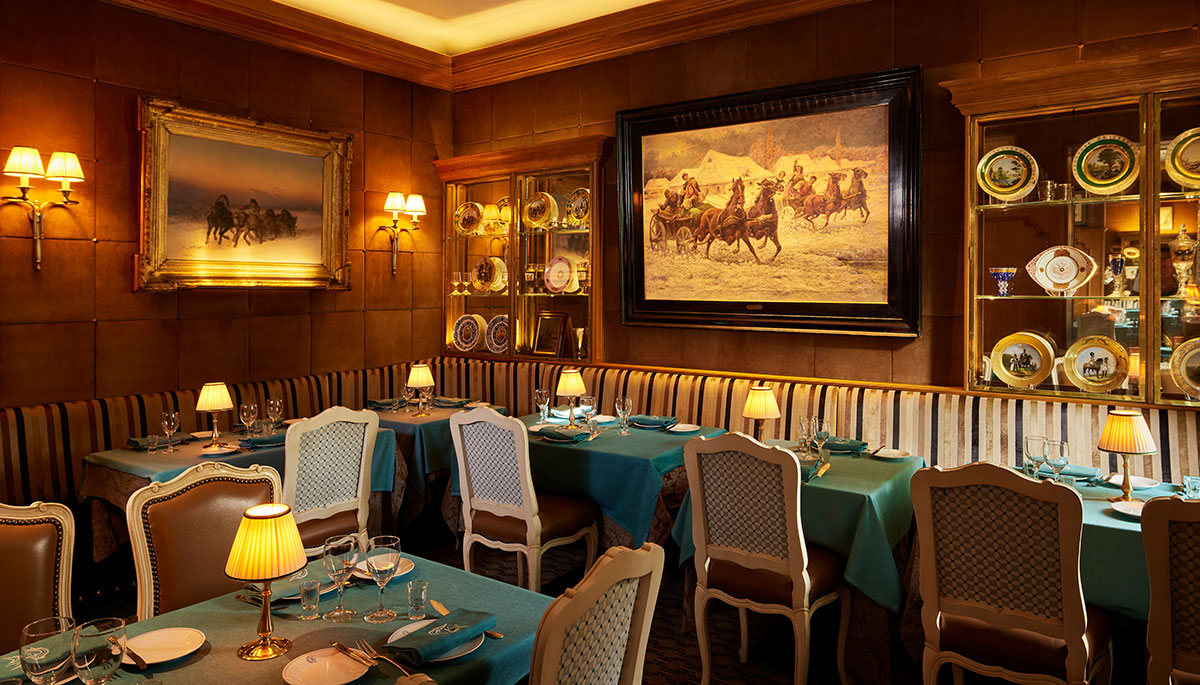
The story of the Maison that helped establish caviar culture in Paris is told in our article dedicated to Kaspia caviar.
Caviar varieties : Baeri, Osciètre, Beluga
Here's the first point where people get lost. They see «Baeri €60» and «Beluga €400» and conclude that the Beluga is «better». It's not that simple. Each variety has its own profile, and the best caviar is the one that suits your palate - not the one that costs the most.
Baeri - the caviar that opens doors
The Siberian sturgeon (Acipenser baerii) is the highest-breeding species in Europe. It reaches maturity between 5 and 8 years of age, which explains its more affordable price.
Visit Caviar Baeri Kaspia has fine, dark-brown, almost anthracite grains. In the mouth: soft. First iodized notes, then a nutty undertone. The texture is meltingly creamy - no resistance under the palate.
This is the caviar of initiation. If you've never tasted caviar, start here. If you're organizing an aperitif for 8 people and your budget isn't unlimited, this is also the right choice.
Visit Baeri Imperial Caviar goes up a notch: stricter selection of grains, slightly larger size, longer-lasting aromas on the palate.
Osciètre - caviar for connoisseurs
Russian sturgeon (Acipenser gueldenstaedtii) takes its time. Count on 10 to 15 years of ageing before the first harvest. The result: larger berries, a color ranging from golden brown to olive green, and, above all, a much broader palette of aromas than Baeri.
Visit Caviar Osciètre Royal Kaspia has a pronounced hazelnut taste, with a long finish that immediately sets it apart. Notes of fresh butter, sometimes a hint of almond. It's the caviar of choice for chefs, because it stays in the mouth long enough to play a role in a dish - not just as a garnish.
Visit Caviar Osciètre Gold is the prestige cuvée of the range: a selection of the lightest, largest grapes, with a buttery profile and golden highlights. It's the benchmark for those who already know what's exceptional.
Beluga - exceptional caviar
The Beluga (Huso huso) is the world's largest sturgeon - it can exceed 4 meters in length and live to be over 100 years old. Its eggs are the largest in the caviar world: up to 3.5 mm in diameter, pale grey and almost pearly.
On the palate, it's another dimension. The texture is incredibly melting, almost liquid. The taste is subtle, long, with a surprising sweetness - you expect something powerful, and it's finesse that dominates.
Visit Caviar Beluga Royal Kaspia and the Beluga Reserve represent the top of the range. The price is explained by the length of time it takes to mature - 18 to 25 years before the first harvest - and by the rarity of the species, which is protected by the CITES convention.
For a detailed comparison of these three varieties with concrete selection criteria, see our article How to choose your caviar: Baeri, Osciètre or Beluga? takes a closer look at each profile.
How caviar is produced
Caviar is produced in five stages. Each has a direct influence on the final taste.
Breeding. Sturgeon grow in freshwater tanks, under controlled temperature and feeding conditions. In France, aquaculture farms in the Aquitaine region use the waters of the Gironde. In Italy, Bulgaria, China - conditions vary, and it tastes. A Baeri farmed in Italy does not have the same profile as one farmed in France. Water, feed, pond density - all count.
Harvesting. The eggs are extracted when the sturgeon reaches sexual maturity. For Baeri, this is between 5 and 8 years. For Beluga, 18 to 25 years. This waiting time is the main reason for the price difference between varieties.
Sorting. The eggs are sieved, cleaned and graded. It's at this stage that the selection is made: damaged, too small or irregularly colored beans are discarded. The stricter the selection, the higher the quality - and the lower the yield. This is what distinguishes a «classic» caviar from a prestige cuvée like Osciètre Gold: the percentage of seeds retained after sorting.
Salting. This is the step that turns raw eggs into caviar. Salt plays two roles: preserving and revealing aromas. The reference method is called malossol - Russian «low salt», less than 3 % of salt. Above 5 %, the salt crushes the aromas. A good Malossol caviar can be felt in the mouth: the salt is present but discreet, pushing the flavors forward without covering them.
Refining. Some producers mature caviar in tins for a few weeks to a few months. Refining allows the grains to develop rounder, more complex aromas. This is an in-house know-how - each producer has his own refining curve.
How to choose caviar
Five criteria. No more.
1. Sturgeon species. It's the #1 factor. Baeri for softness and accessibility. Osciètre for aromatic complexity. Beluga for finesse and length on the palate. Start by identifying the profile that appeals to you, not the price.
2. Grain size. The larger the beans, the more melting the texture and the slower the release of flavors. A 3 mm Beluga bean behaves very differently in the mouth than a 2 mm Baeri bean. It's not a question of «better» - it's a different sensation.
3. Salting. Look for the word «malossol» - it's the quality standard. If the caviar tastes too salty, change supplier, not variety.
4. The origin. France, Italy, Bulgaria, China, Iran - the conditions under which they are matured change their aromatic profile. Maison Kaspia selects its caviars according to criteria that go beyond the species: water, sturgeon feed, salting method, maturation time. It is this selection that makes the difference between a decent caviar and an exceptional one.
5. Freshness. Caviar is a semi-preserve. Check the use-by date, the integrity of the tin (no bulging), and the color of the grains (no signs of drying out around the edges).
Our dedicated guide How to choose caviar details each criterion with recommendations by occasion (aperitif, dinner, gift).
What price caviar?
Caviar prices in 2026 range from €40 to over €500 per 30 grams. Here's what makes the difference.
| Variety | Suggested retail price (30 g) | What justifies the price |
|---|---|---|
| Classic Baeri | 40 - 70 € | Short ageing period (5-8 years), abundant production |
| Baeri Imperial | 60 - 100 € | Stricter selection, superior caliber |
| Royal Osciètre | 80 - 150 € | Long ageing (10-15 years), aromatic complexity |
| Osciètre Gold / Prestige | 120 - 250 € | Extreme selection, rare golden grains |
| Beluga whale | 200 - 500 €+ | Very long ageing (18-25 years), protected species |
The classic trap: think that price determines quality. A well-selected Baeri Kaspia at €60 may offer more pleasure than a poorly preserved Osciètre at €120. The price reflects the rarity of the species and the ageing time - not necessarily your pleasure in the mouth.
For first-time buyers, the Caviar Baeri Kaspia is the ideal entry point. You get to taste real quality caviar without the risk of spending €300 on a product you don't yet know the codes for.
How much do you need? Allow 30 g per person for an aperitif, 50 g for a main course. For a 4-person dinner with caviar as a starter, a 125 g tin is the right size.
How to serve and enjoy caviar
This is where most people ruin their experience. You buy a €100 caviar, serve it at the wrong temperature in a stainless steel spoon, and miss out on 80 % of the flavors. It's a shame.
Temperature
Remove the can from the fridge 10 to 15 minutes before serving. The ideal temperature is between 8 and 12°C. Too cold: the flavors are locked in, and you taste only the salt. Too hot: the texture becomes oily and the grains burst too quickly.
Place the open tin on a bed of crushed ice - it maintains the temperature without cooling excessively.
The spoon
Never metal. Silver, stainless steel, aluminum - all oxidize on contact with caviar and create an unpleasant metallic taste. Use a spoon made of mother-of-pearl, horn, bone or, failing that, plastic. It's a detail that makes all the difference.
Connoisseurs taste caviar on the back of the hand, between the thumb and forefinger. The warmth of the skin slightly warms the grains and releases the aromas. This is the method used by professionals when selecting caviar.
Accompaniments
Caviar stands on its own. But if you want to accompany it :
Classics that work warm blinis with a touch of crème fraîche, Melba toast, or warm steamed potato (the hot-cold contrast is formidable).
What to avoid: raw onion, lemon, strong spices. Anything that tastes stronger than the caviar itself is a sabotage. Caviar is subtle - the accompaniment must remain in the background.
For beverage pairings, brut champagne is the great classic, but there's also a Kaspia iced vodka also works beautifully - the cold, neutral vodka brings out the caviar's aromas without covering anything up. Our article The best caviar and champagne pairings details the cuvées and styles that go best with each variety.
Conservation: rules not to be broken
Caviar is a semi-preserve. Not canned. The difference is crucial.
Refrigerate between 0°C and +4°C. This is the optimum preservation zone. The coldest part of the fridge, against the back wall - not in the door, where the temperature fluctuates with each opening.
Never in the freezer. Freezing causes the kernel membranes to burst. When you defrost, you end up with an oily mush instead of firm, distinct grains. This is the second most common error after the metal spoon.
Closed box : the BBD indicated by the producer applies. Generally 2 to 4 months after packaging.
Open box : consume within 48 to 72 hours maximum. Place cling film directly in contact with the grains (no air between the film and the caviar), close the tin and chill immediately.
The sign that a caviar has turned : a strong, pungent smell, more reminiscent of fish than the sea. Good caviar smells of iodine and fresh butter - never of low tide.
For a complete guide with practical tips for everyday conservation, read How to store caviar.
Mistakes everyone makes
After years of assisting Maison Kaspia customers with their purchases, the same mistakes keep recurring.
Mistake n°1: confusing varieties and believing that «expensive = better». A customer who has never eaten caviar and starts with a Beluga at €400 may not perceive what distinguishes it from an Osciètre at €120. Not because the Beluga isn't good - it is, of course - but because the palate needs to progress. Starting with the Baeri, moving on to the Osciètre, then tasting the Beluga with knowledge of the first two, is an infinitely richer experience than jumping straight to the top of the range.
Mistake n°2: serving iced caviar in a silver spoon. We've mentioned this above, but it bears repeating. These two errors combined - temperature too cold + metallic contact - probably destroy 80 % of the taste experience. For a product at this price, it's almost criminal.
Mistake n°3: Drowning caviar in accompaniments. Chopped onion, crumbled egg white, egg yolk, lemon - this is the traditional Russian garnish, and it made sense when caviar was very salty and less well selected. With well-made Malossol caviar, these accompaniments are too much. Stick to blini + crème fraîche, or simply on its own.
Mistake n°4: opening the can and leaving it on the table for 2 hours. Caviar oxidizes in the air and warms up. Serve it on crushed ice, taking out only as much as your guests will eat within 10 minutes, and chill the tin between courses.
Frequently asked questions
What caviar should you choose for your first caviar?
Visit Caviar Baeri Kaspia. It's mild, affordable, and expressive enough for you to understand what makes caviar unique. Count on 30 g per person - enough to taste, not enough to break the bank.
Why is caviar so expensive?
Time. A Baeri sturgeon takes 5 to 8 years to produce eggs. A Beluga, 18 to 25 years. Throughout this period, the animal must be fed, monitored and maintained in optimal conditions. Add to this the fragility of the product (semi-preserved, cold chain), the sorting of the grains (only the best are retained), and the CITES quotas on certain species - the price is understandable.
What's the difference between caviar and lumpfish roe?
Everything. Lump roe comes from the lumpfish, a fish that has nothing to do with the sturgeon. They are artificially colored (red or black), very salty, and have neither the texture nor the aromatic complexity of caviar. It's a €3-a-pot product - comparing it to caviar is like comparing industrial sparkling wine to champagne.
Can caviar be cooked?
Technically yes, but for purists it's heresy. Heat destroys the texture and much of the aroma. If you want to add caviar to a dish, add it at the last moment, never over the heat. A spoonful on fresh pasta just before serving, on a tartar of scallops, or on a warm velouté - the caviar must remain raw and cold in contact with the hot dish.
How to recognize good caviar?
Open the can. Beads should be distinct, shiny and regular in size. They should not stick together or form a compact mass. The smell is marine, iodized, slightly buttery - never strong or pungent. In the mouth, the grains should burst under the palate, gradually releasing their juices. If the caviar is mushy, excessively salty or smells of fish, it's no good.
What exactly is Kaspia?
Visit House Kaspia was founded on the Place de la Madeleine in Paris in 1927. It helped establish caviar culture in France at a time when the product was virtually unknown to the Parisian public. It's not just a brand of caviar - it's a house with a restaurant, an art of living, and a history of almost 100 years of selecting and serving caviar. Gourmandise de Luxe is the official online store of Kaspia, with the complete range of caviars, truffles, and delicatessen.

